
CNC Machining Materials We Work With
Material choice drives cost, lead time, and how a part performs in service. Below are the materials we machine regularly, with the grades we stock and the practical notes that affect your quote and delivery.
Aluminum
6061 – General-purpose machining alloy. Good strength, weldable, anodizes well. The default for housings, brackets, and fixtures.
7075 – High strength, lower corrosion resistance than 6061. Used for aerospace and high-load structural parts.
2024 – High strength with good fatigue resistance, lower corrosion resistance. Common in aerospace work.
5052 – Good formability and corrosion resistance. Used for sheet-adjacent and enclosure parts.

Stainless Steel
303 – Free-machining grade. Best choice when cut speed and finish matter more than weldability.
304 – General-purpose corrosion resistance for food, medical, and industrial parts.
316 – Higher corrosion resistance, including chloride environments and some medical and marine applications.
17-4 PH – Precipitation-hardening grade. High strength after heat treatment; used for shafts, fittings, and valve parts.
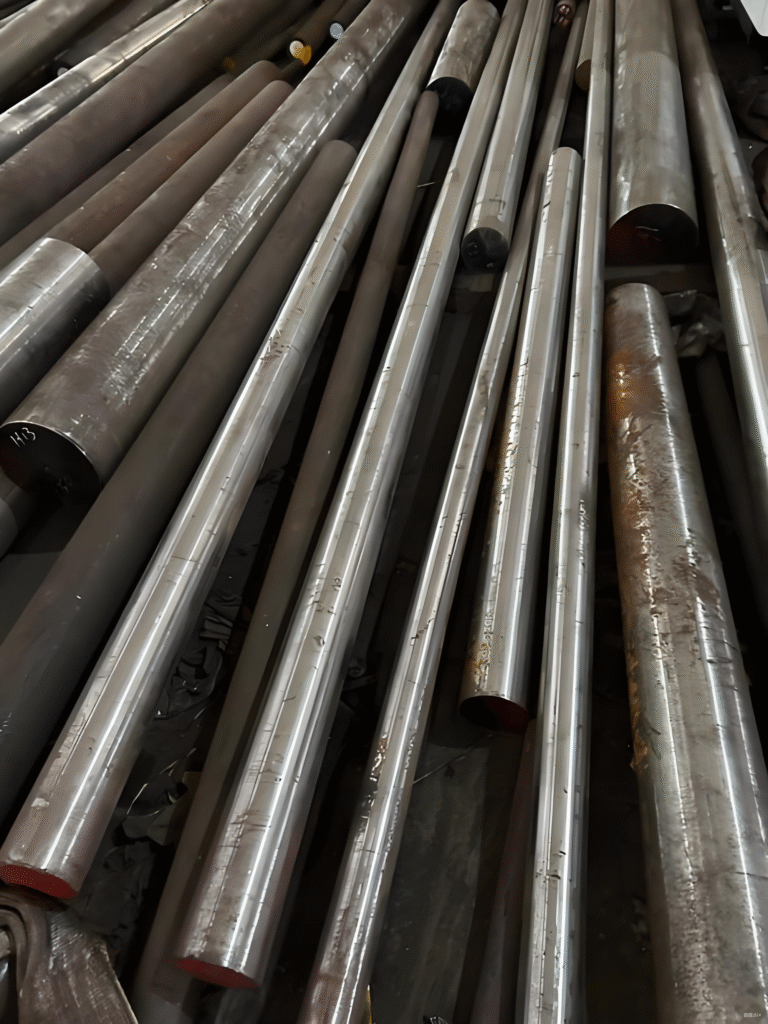
Carbon Steel
1018 – Low-carbon, easy to machine and weld. General structural and fixture work.
1045 – Medium-carbon, higher strength. Shafts and mechanical components.
4140 – Chromoly grade with good strength and toughness after hardening. Used for stressed parts.
Titanium
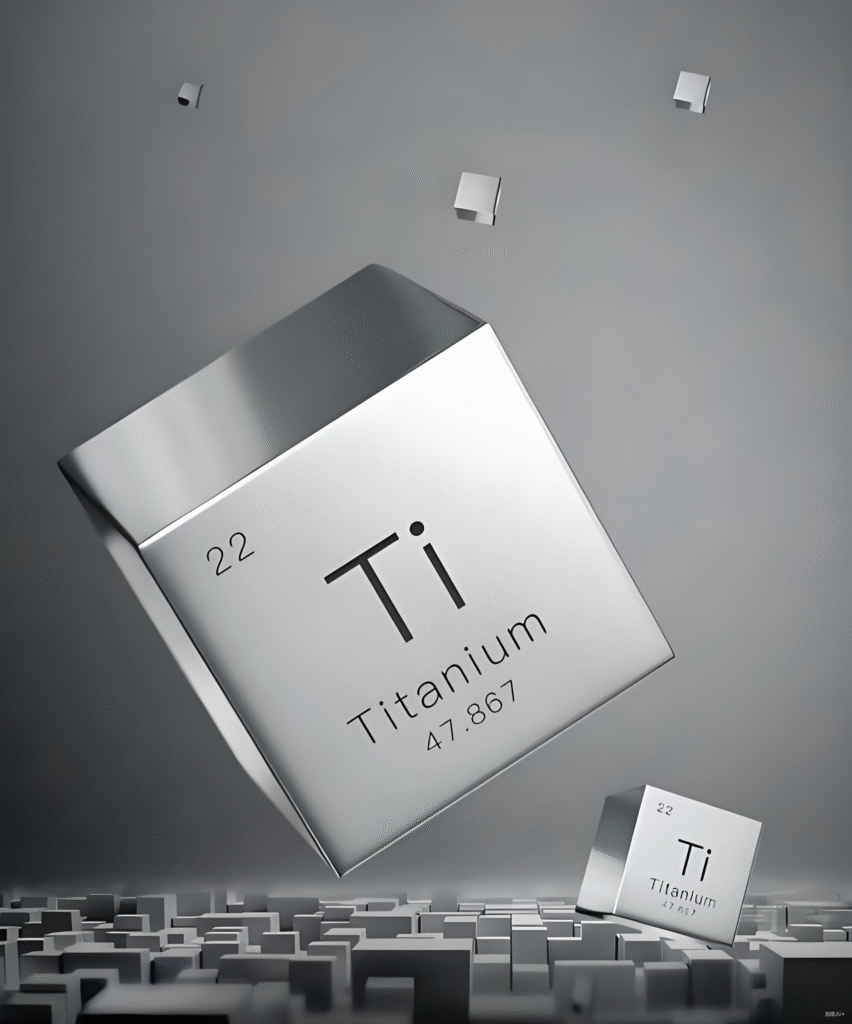
Grade 2 – Commercially pure, excellent corrosion resistance. Medical and chemical service parts.
Grade 5 (Ti-6Al-4V) – High strength-to-weight ratio. Aerospace, medical implants, and high-load components.
Copper and Brass
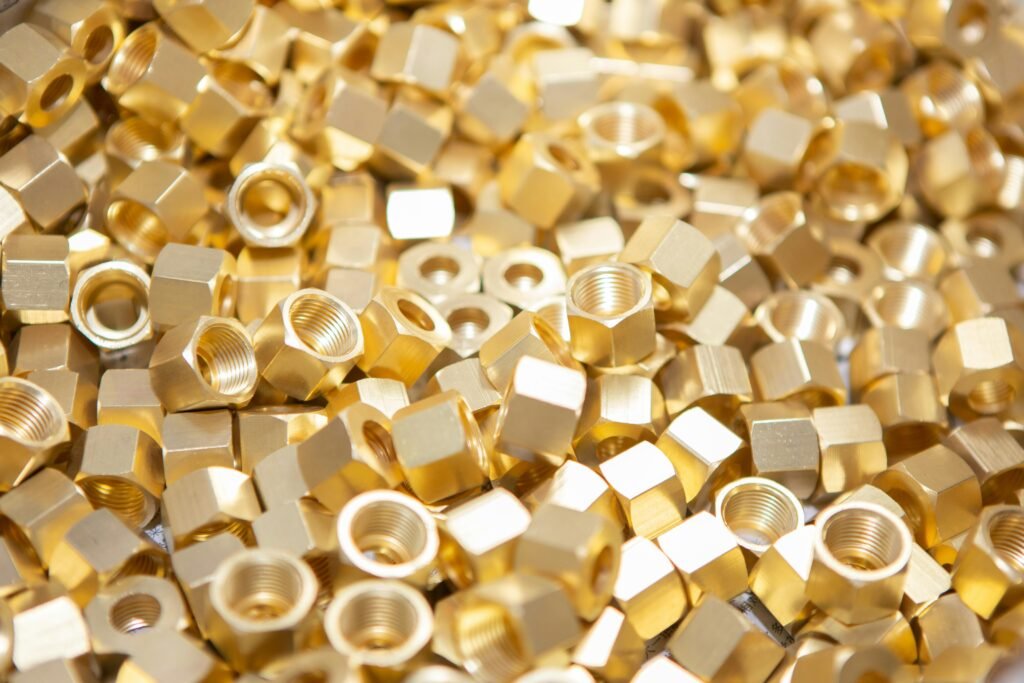
Brass – Free-machining, good electrical and thermal conductivity. Fittings, connectors, and hardware.
Copper – High conductivity. Busbars, electrodes, and thermal components.
Tool Steel and Engineering Plastics
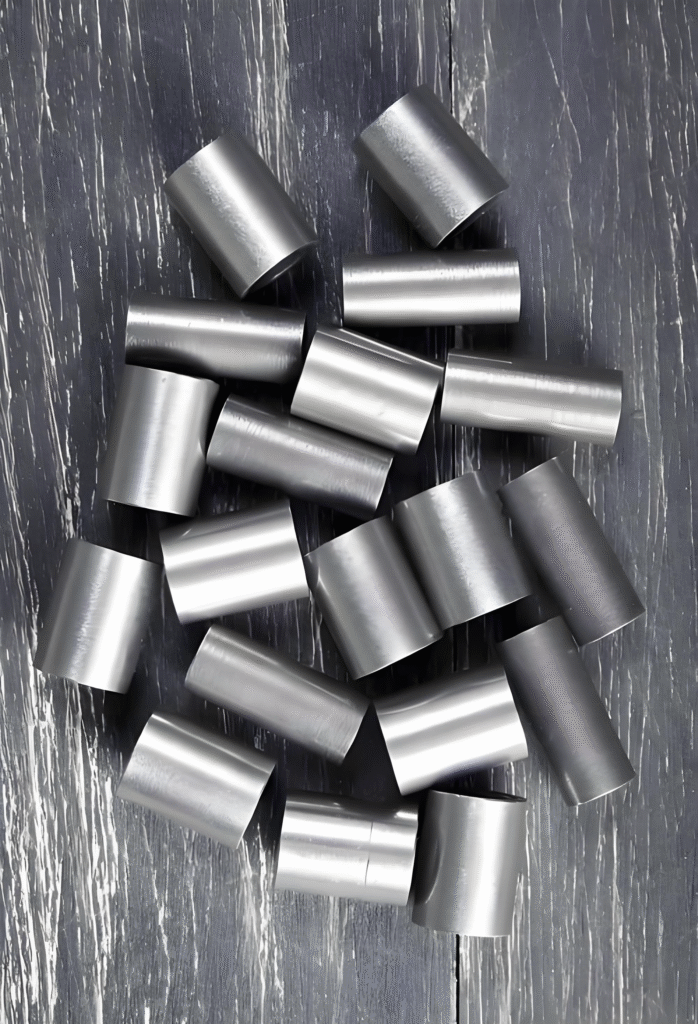
Tool steel – For wear-resistant tooling and mold components.
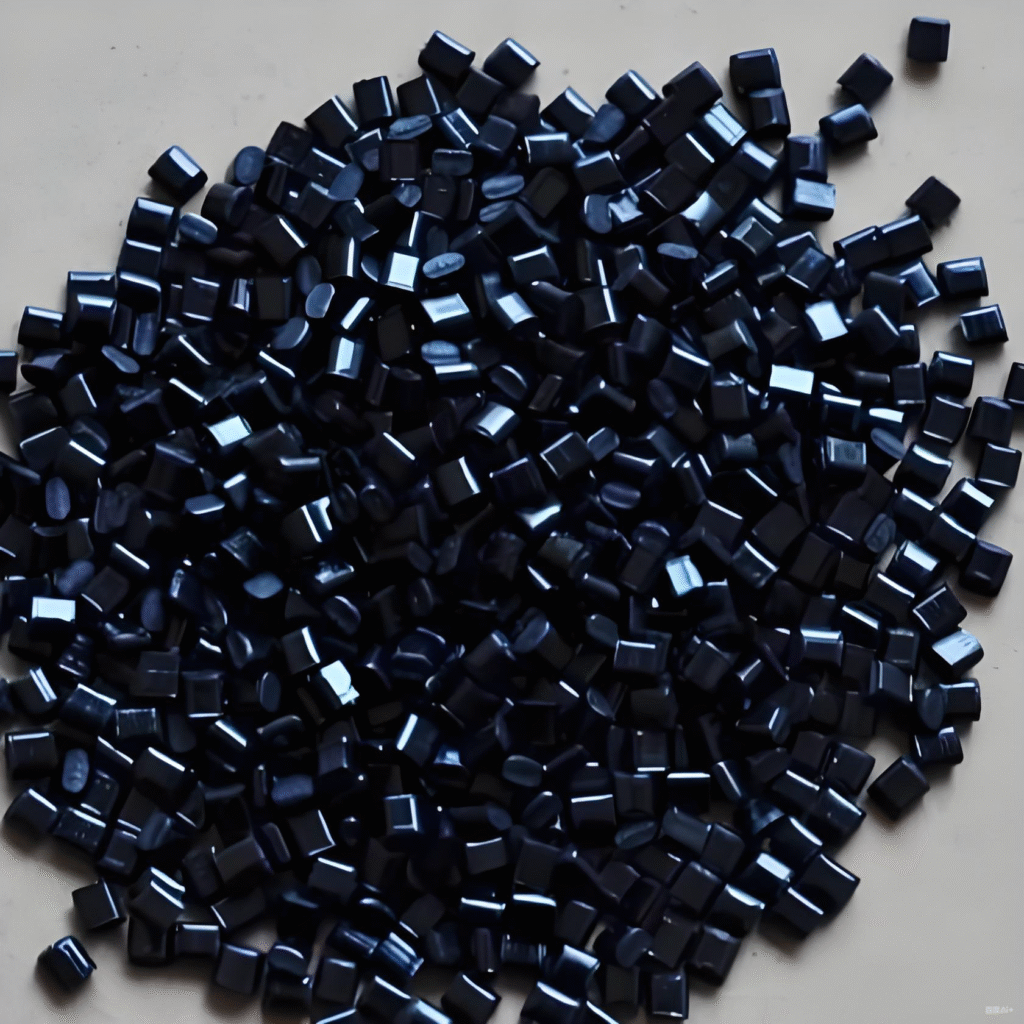
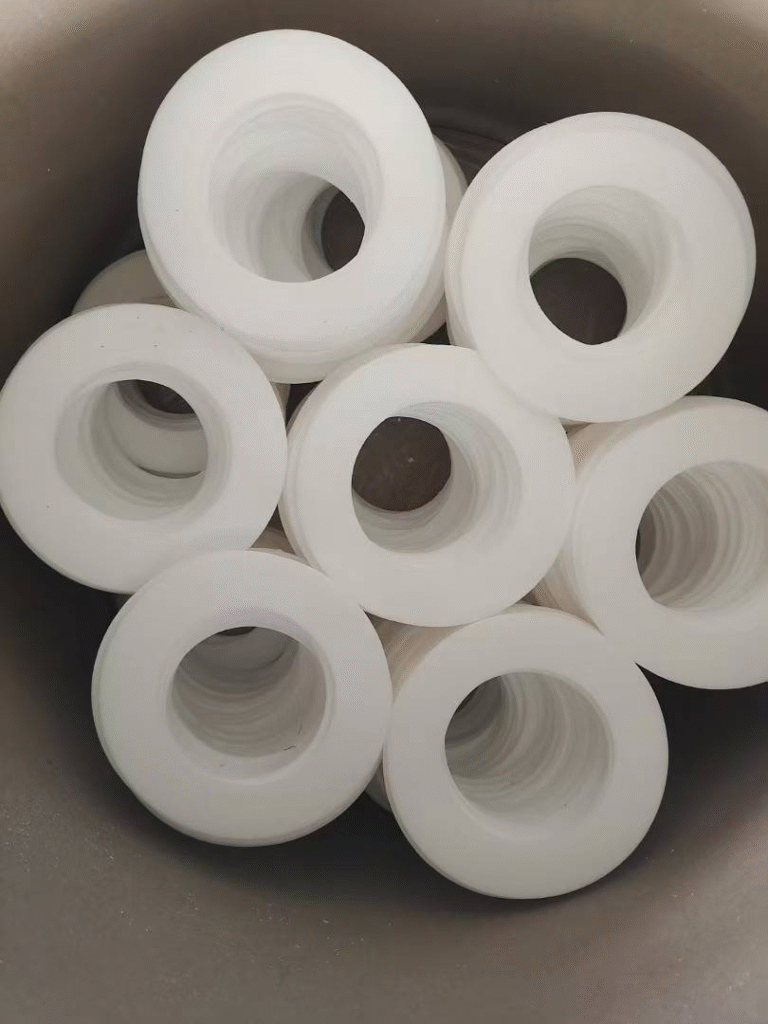
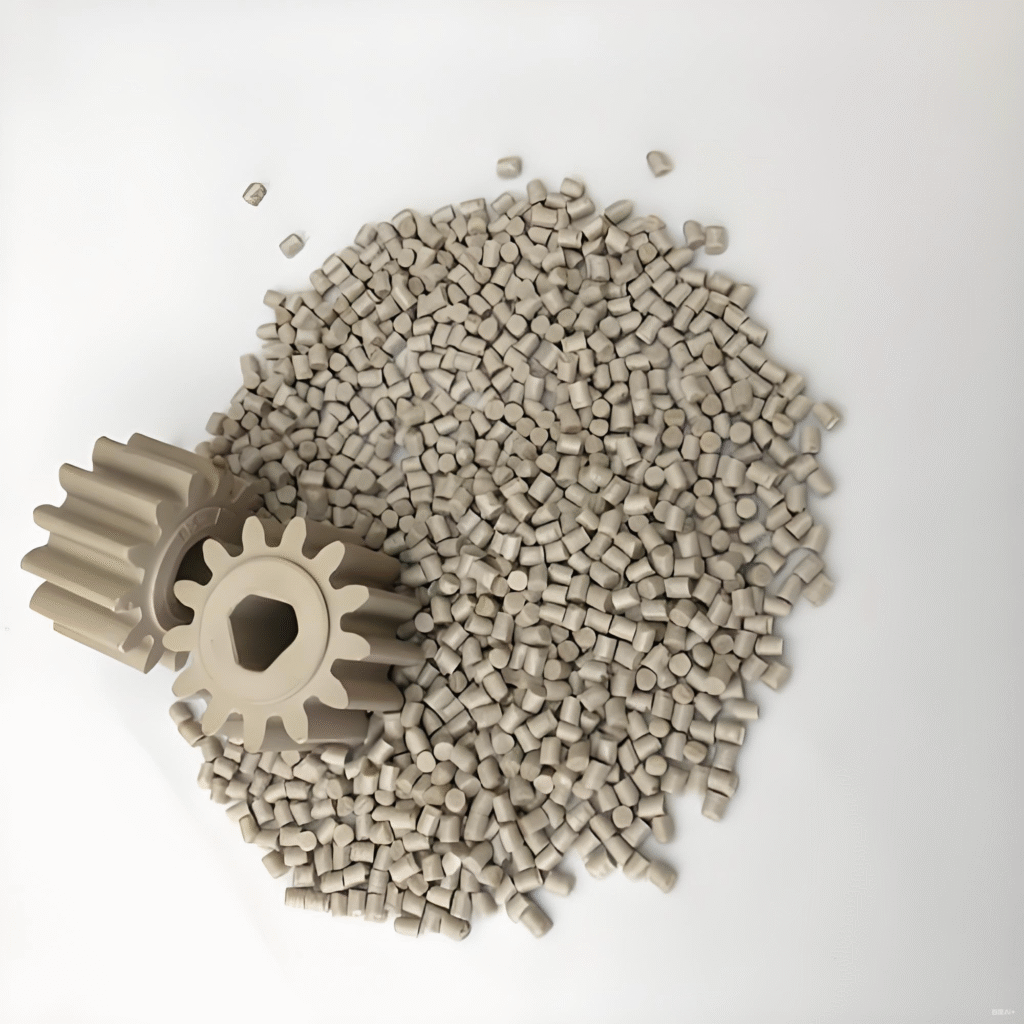
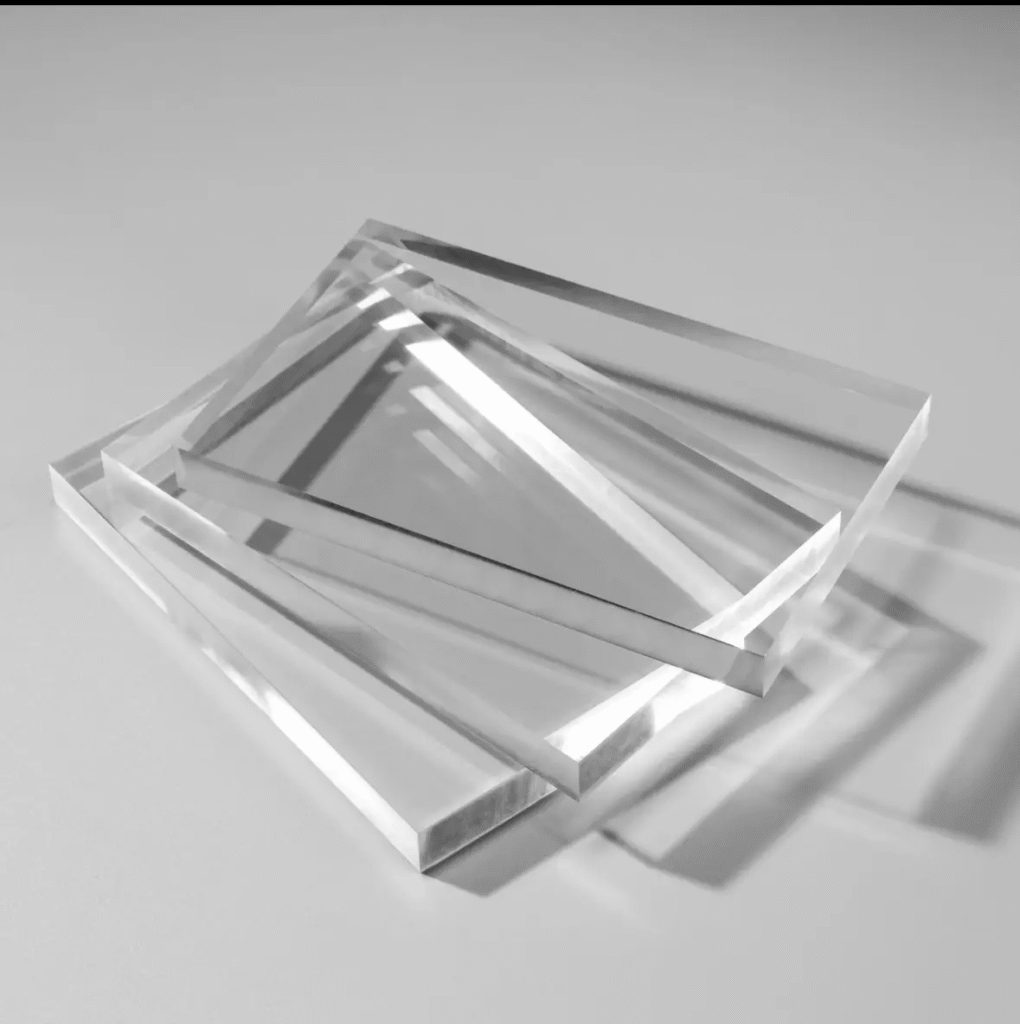
ABS, POM, nylon, PEEK, PTFE, and Delrin are machined for insulation, low-friction, chemical-resistant, and lightweight applications. PEEK is used where temperature and chemical resistance matter; PTFE where chemical inertness and low friction dominate.


Notes That Affect Your Quote
- Material grade changes the price and lead time. Specify grade on the drawing, not just “aluminum” or “stainless.”
- Titanium and 17-4 PH cut slower than aluminum and carry longer lead times within our standard 2-4 week production window.
FAQ
Which aluminum grades do you machine?
6061, 7075, 2024, and 5052. 6061 is the general-purpose default; 7075 and 2024 are used for higher-strength requirements.
Do you machine titanium?
Yes. Titanium Grade 2 and Grade 5 (Ti-6Al-4V). Both cut slower than aluminum, which affects lead time within our standard 2-4 week production window.
Can you machine PEEK and PTFE?
Yes. PEEK is used where temperature and chemical resistance matter; PTFE where chemical inertness and low friction dominate. We also machine ABS, POM, nylon, and Delrin.
What stainless steel grades are available?
303, 304, 316, and 17-4 PH. 303 is the free-machining choice; 316 adds corrosion resistance for chloride environments; 17-4 PH is used where high strength after heat treatment is required.
Does the material grade change the price?
Yes. Grade, stock availability, and machinability all affect price and lead time. Specify the exact grade on the drawing rather than “aluminum” or “stainless.”
Send Your Drawing
Include material and quantity so we can quote the exact grade you need.